
Climbing Kilimanjaro
A step-by-step plan for reaching Uhuru Peak, from timing and routes to fitness and gear.
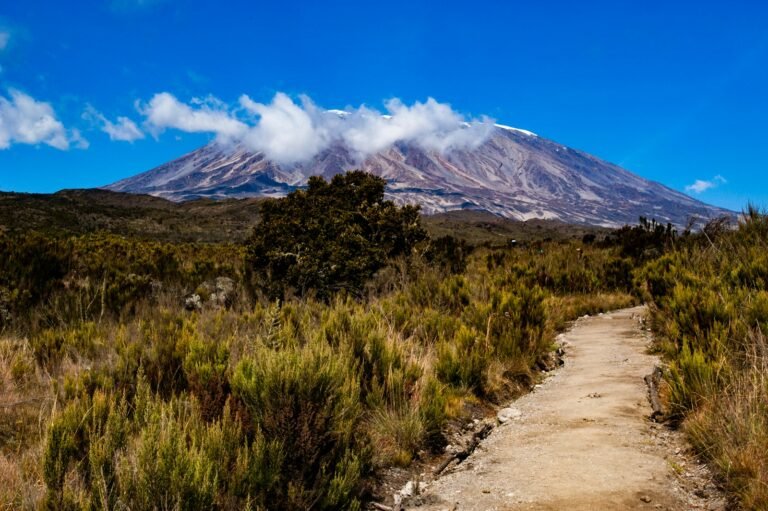
Read guideKilimanjaro weather can swing from hot sunshine to freezing cold in a single day. Unlike most destinations, the mountain does not change dramatically from season to season. Instead, temperature is driven by altitude and time of day. Because it is big enough to create its own weather, you should be ready for sun, rain, wind, cold and even snow on the same climb.
At the base of the mountain the average temperature is a mild 21 to 27 C (70 to 80 F). As you ascend through the climate zones it falls steadily, until night-time temperatures at the summit, Uhuru Peak, range from about -7 C to -29 C (20 to -20 F). Layering is the key to staying comfortable; see our Kilimanjaro packing list.
| Zone | Altitude | Conditions |
|---|---|---|
| Cultivation | 800 to 1,800 m | Warm, temperate farmland with plentiful rain |
| Rainforest | 1,800 to 2,800 m | Warm, humid and often misty; can be muddy |
| Heath and moorland | 2,800 to 4,000 m | Warm days, cold nights, more exposed |
| Alpine desert | 4,000 to 5,000 m | Arid, strong sun by day, freezing at night |
| Arctic summit | 5,000 m and above | Ice, snow and bitter cold; around half of sea-level oxygen |
The long rains from March to May are driven by moist south-easterly winds off the Indian Ocean, soaking the southern slopes and dropping snow on the summit. The short rains around November come from a drier north-easterly and are lighter, falling mainly on the northern slopes.
| Months | Season | What to expect | Do we climb? |
|---|---|---|---|
| January to February | Short dry season | Generally a little warmer, with superb summit conditions | Yes — a top window |
| March to May | Long rains | Heavy rain makes trails wet and slippery | No climbs in this window |
| June to September | Long dry season | Cool but excellent, with little chance of rain | Yes — a top window |
| October to December | Short rains | Less predictable conditions | Generally avoided once the rains set in |
Because conditions change so quickly, the golden rule is to be prepared for everything at once: breathable layers for warm forest days, waterproofs for sudden showers, and serious insulation for the freezing summit push. The dry seasons offer the most stable weather and the highest summit-success rates, which is why we schedule climbs around them. Choosing a longer route also gives you more margin if a day of bad weather slows you down. For the full picture, read our guides to climbing Kilimanjaro and the best routes.
A longer route is the cheapest insurance against bad weather. An extra day gives you room to absorb a slow, wet stage without losing your summit attempt.
Most climbers set off for the summit around midnight to reach Uhuru Peak at sunrise. It is bitterly cold, often with snow or ice underfoot, but the clearing dawn skies reveal vast views over Mawenzi and the plains below. You can learn more about the mountain’s protected environment via the Kilimanjaro National Park (UNESCO) listing.
We are a local, Arusha-based team, and we tailor every safari and Kilimanjaro climb to your dates, budget and pace. Request a free, no-obligation quote and we will usually reply within 24 hours.
A step-by-step plan for reaching Uhuru Peak, from timing and routes to fitness and gear.
Read guide
Marangu, Machame, Lemosho, Shira and more, compared by scenery, days and success rate.
Read guideSmart layering and gear for five climate zones and a freezing summit night.
Read guide