
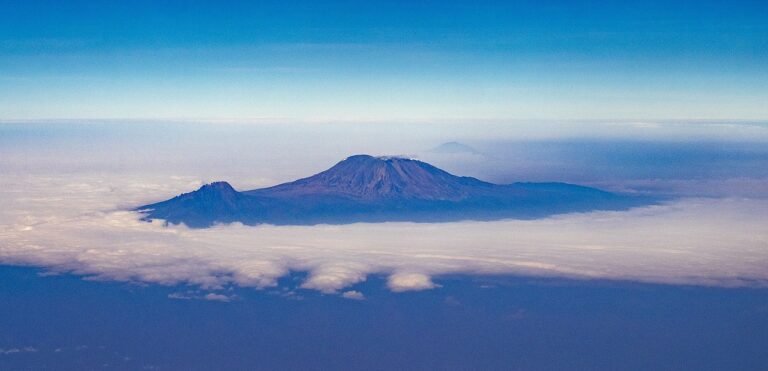
Weather on Kilimanjaro
How altitude and time of day drive the mountain weather, month by month.
Read guideThe dry seasons, the Great Migration and the green-season trade-offs, month by month.
The best time to visit Tanzania depends on what you want to see. The long dry season from June to October and the shorter dry spell from late December to March are the most popular windows for safaris and Kilimanjaro climbs, but Tanzania rewards travellers all year round. The right month comes down to whether wildlife, mountains or beaches top your list.
Sitting close to the equator, Tanzania has two rainy seasons rather than a hot-and-cold cycle: the long rains around April and May, and the short rains in November. Between them lie two dry, sunny windows that most travellers aim for.
| Season | Months | Best for |
|---|---|---|
| Long dry season | June to October | Classic game viewing, migration river crossings, Kilimanjaro |
| Short dry season | Late December to March | Wildebeest calving, warmer climbs, thinner crowds |
| Short rains | November | Lush scenery, strong birding, lower prices |
| Long rains | April to May | Green landscapes and the lowest prices of the year |
If you already know what you want out of the trip, work backwards from this.
| What you want | Go in | Why |
|---|---|---|
| General game viewing | June to October | Dry conditions concentrate animals around water |
| Migration river crossings | July to October | Mara and Grumeti crossings in the northern Serengeti |
| Wildebeest calving | Late January to March | Hundreds of thousands of births on the southern plains |
| Climbing Kilimanjaro | Jan to mid-Mar, Jun to Oct | Clearest, driest skies and the best summit conditions |
| Zanzibar and the coast | Jun to Oct, Dec to Feb | Sunniest beach weather, and it pairs with the safari dry seasons |
| Lowest prices | April to May | Green landscapes, quieter camps, lowest rates of the year |
The Serengeti and the Ngorongoro Crater deliver excellent wildlife viewing all year. If your priority is the Great Wildebeest Migration, timing matters. The dramatic Mara and Grumeti river crossings usually fall between July and October in the northern Serengeti, while the calving season, when hundreds of thousands of wildebeest give birth on the southern plains, peaks from late January to March. Browse our Tanzania safari tours to match a trip to the season you want.
For Kilimanjaro treks, the clearest, driest skies come in January to mid-March and June to October. These windows give the best summit conditions and views. We avoid the long rains of April and May, when trails turn wet and slippery. For more detail, see our guides to weather on Kilimanjaro and planning a Kilimanjaro climb.
Tanzania’s Indian Ocean coast and Zanzibar stay warm and humid year round. The sunniest beach weather lines up neatly with the safari dry seasons, June to October and December to February, so it is easy to pair a game drive with time on the sand.
April, May and November are the cheapest months to travel, and often the most beautiful. Newborn animals are everywhere and migratory birds arrive — the trade-off is afternoon showers and a few seasonal camps closing.
Do not rule out April, May and November. The landscapes are at their most beautiful, newborn animals are everywhere, migratory birds arrive, and lodges are quieter and cheaper. The trade-off is a higher chance of afternoon showers and a few seasonal camps closing. If you are travelling in these months, talk to us and we will steer you to the parks and camps that shine after the rains. You can also check long-range conditions on the Tanzania Meteorological Authority website.
We are a local, Arusha-based team, and we tailor every safari and Kilimanjaro climb to your dates, budget and pace. Request a free, no-obligation quote and we will usually reply within 24 hours.
How altitude and time of day drive the mountain weather, month by month.
Read guide
What to wear and bring for dusty game drives and tight light-aircraft baggage limits.
Read guide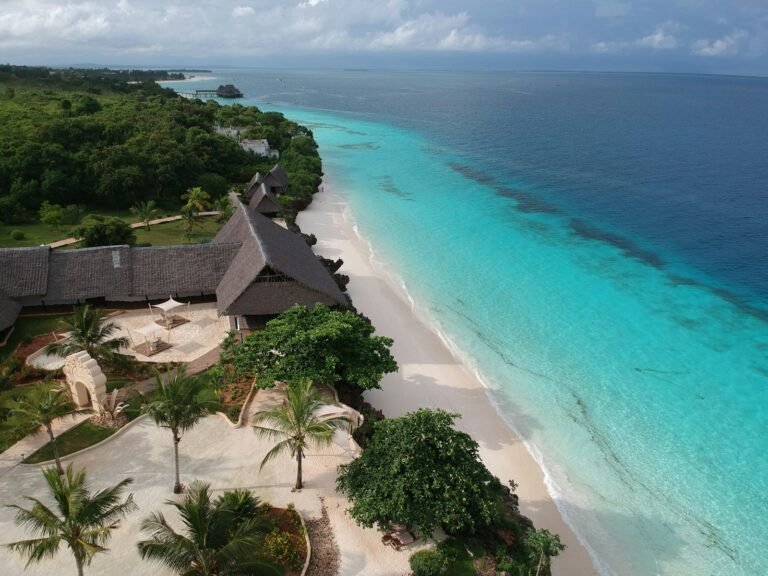
Which airport to fly into and the best routes to Tanzania from every continent.
Read guide